Mosman councillor floats Spit Bridge blockade in revolt against Labor’s housing blitz.
By ANNA USHER
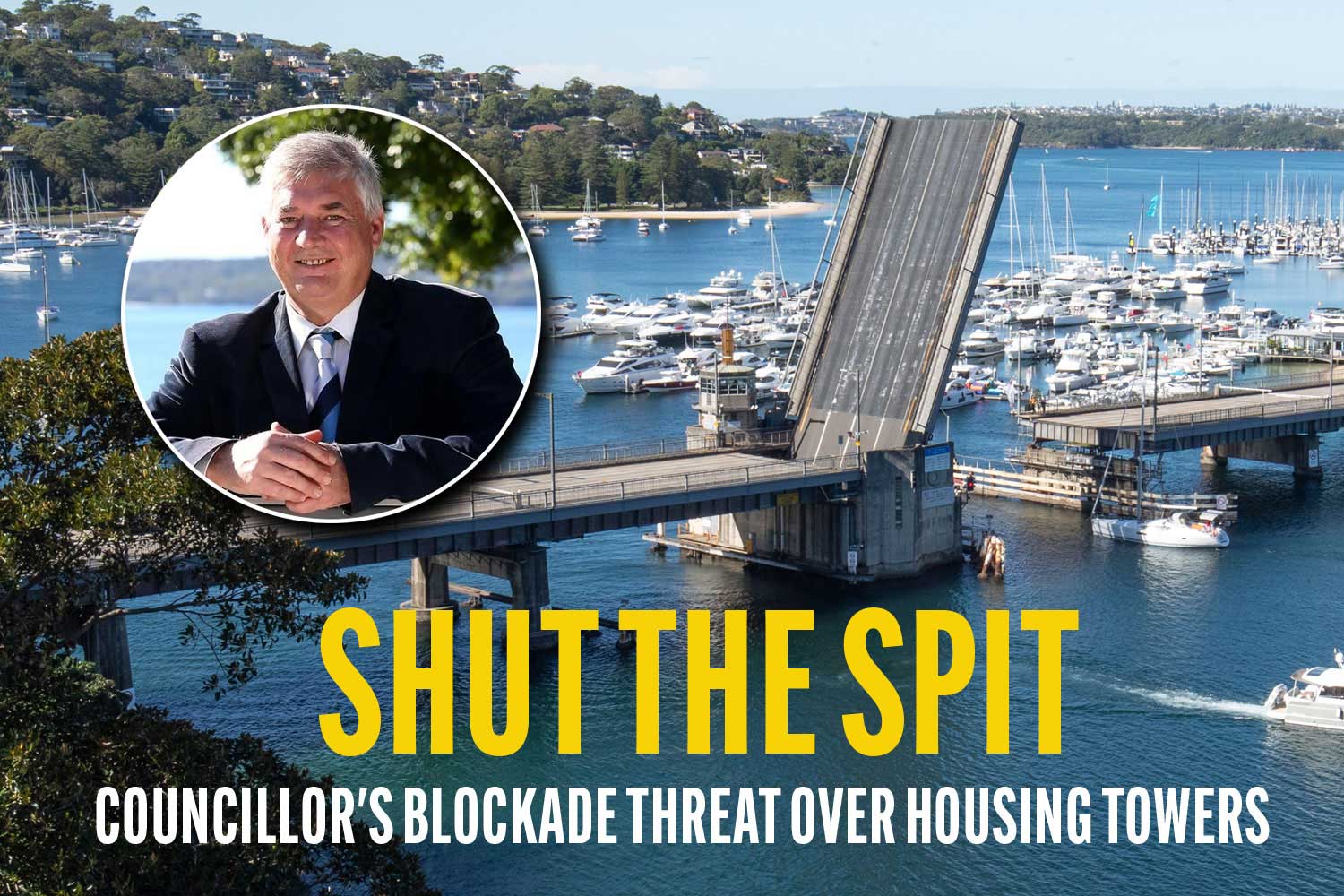
A Mosman councillor has floated the idea of blockading the Spit Bridge as a form of “direct action” against the state government’s housing agenda, in a sensational outburst as council voted 7-0 to fight the reforms with its own masterplan.
Cr Roy Bendall told Tuesday night’s extraordinary council meeting that a one-day blockade of the bridge would throw the lower north shore into gridlock and put Mosman’s fight on the national news.
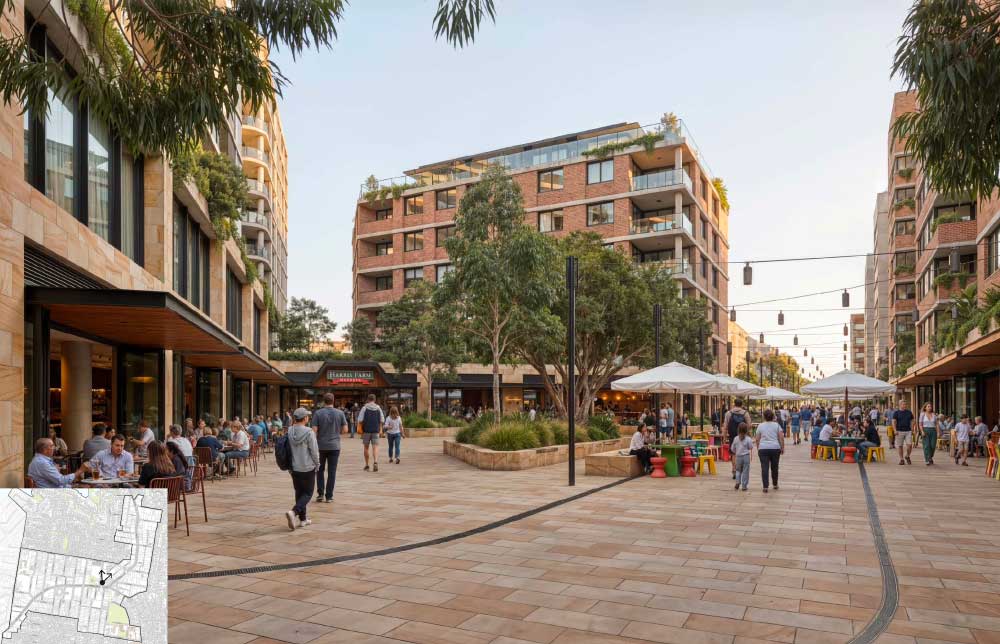
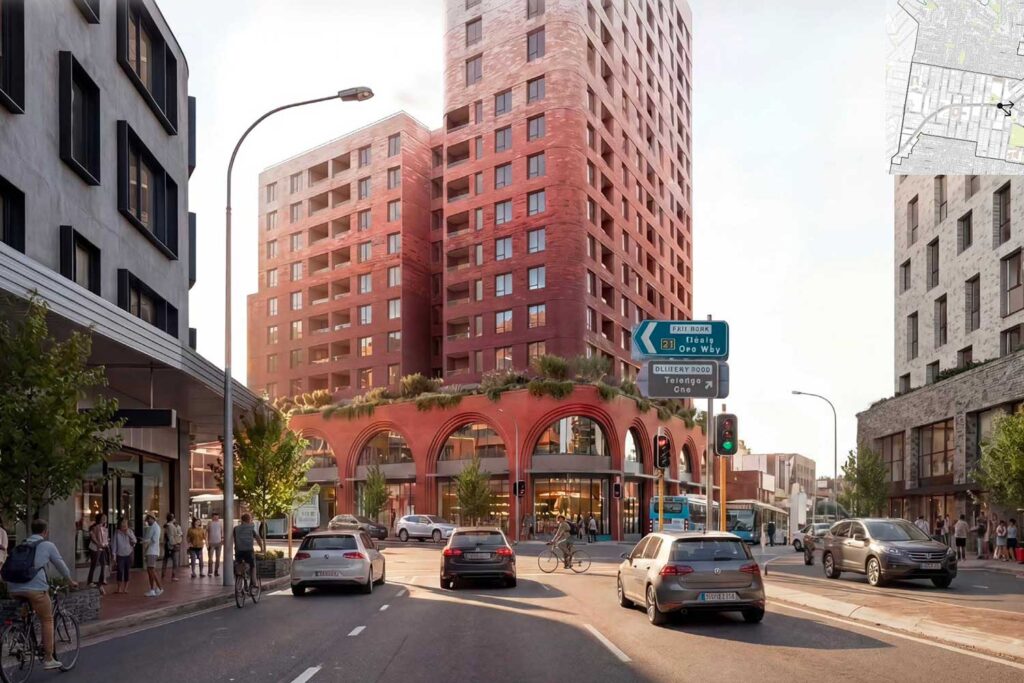
An artists impression of a future Bridgepoint shopping centre (looking north). Image: Mosman Council.
“As a public figure, I could never advocate for any sort of direct action, but the Spit Bridge is the problem,” Cr Bendall said.
“Maybe we could show Minister Scully what it’s going to be like in two, three years’ time, if maybe the Spit Bridge was accidentally blockaded for a day, and that’s the car park that would throw this place into chaos.
“We would have national TV coverage, and it would show that this area is serious.”
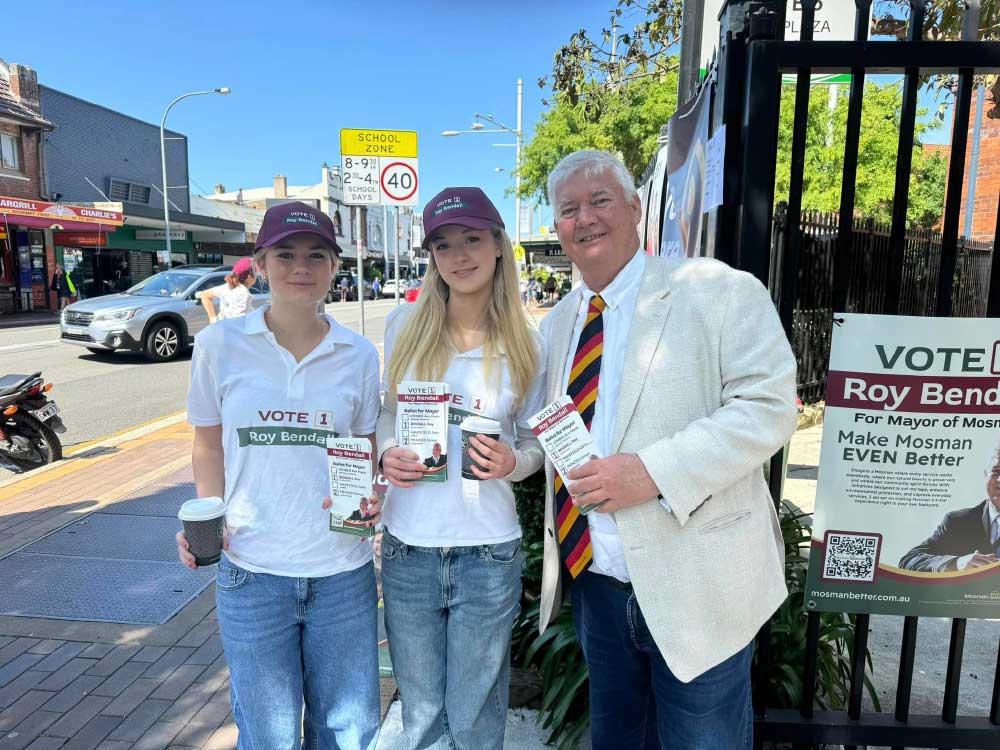
Councillor Roy Bendall told Mosman Council one-day blockade of the Spit Bridge would “throw the lower north shore into gridlock”. Image: Facebook.

Cr Bendall doubled down on Wednesday morning, telling Mosman Collective he would not stand in the way of residents who acted themselves.
“As an elected official, I could not advocate for civil disobedience,” he said. “However, I would understand if residents took matters into their own hands.”
Cr Bendall said Mosman was being punished for its politics.
“We’re being ignored here because we have a Labor government in power, and they owe us no favours,” he said. “First thing they did: cancel the bridge.”
He was referring to Labor scrapping the Beaches Link tunnel, a project Mosman had banked on to ease traffic, particularly on Military Road.
‘They did it to us deliberately’
The blockade thought bubble came as councillors backed a preferred Mosman Masterplan to replace the state’s new LMR policy.
Cr Bendall said he opposed development outright but would vote for the plan.
“I don’t want a master plan, I don’t want any development at all, but perfection cannot become the enemy of the good, so reluctantly I will support all of this,” he said.
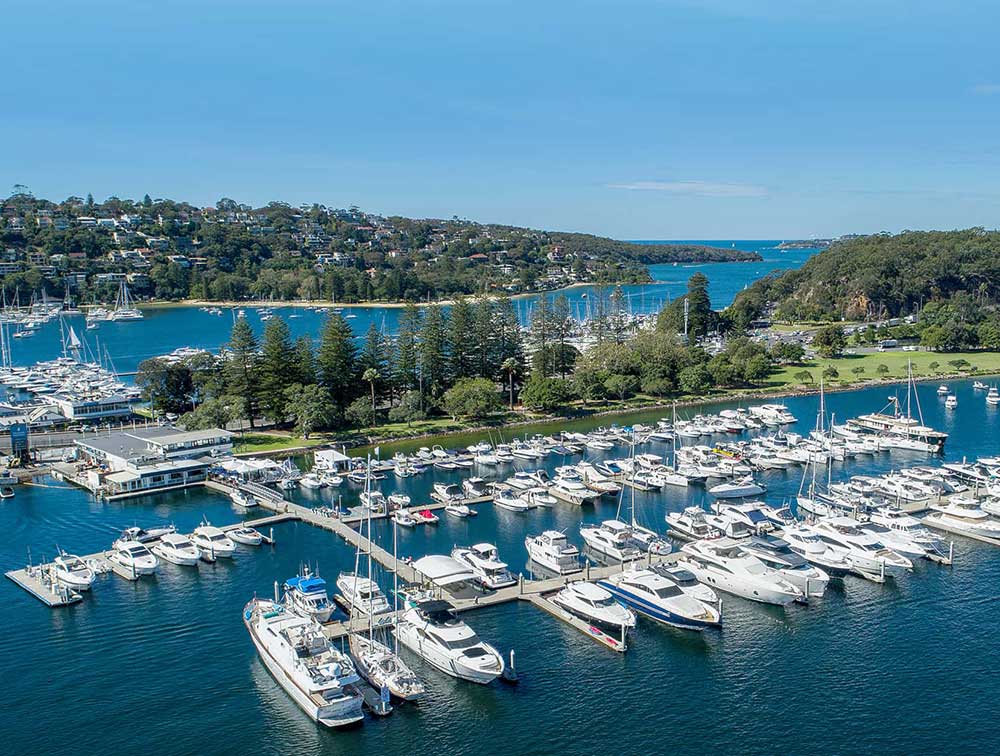
Council voted unanimously to endorse a masterplan that concentrates Mosman’s future housing along the Spit Road and Military Road corridor.
Cr Bendall said Mosman faced another 50,000 cars and a 40 per cent jump in population, and that the community had a nine-month window before the next state election to be heard.
What council voted for
Councillors voted unanimously to endorse a preferred masterplan that concentrates Mosman’s future housing along the Spit Road and Military Road corridor, and pulls development away from Balmoral, Mosman Bay and heritage back streets.
The plan is Mosman’s bid to replace the NSW Government’s Low and Mid-Rise (LMR) housing policy, which the council report brands a “blunt one-size-fits-all model” with “unacceptable local impacts” on infrastructure, traffic, character and heritage.
There is a catch. To be allowed to run its own plan, Mosman must match the housing the state would have forced on it: roughly 950,000 square metres of floor space, or about 4,700 new homes.
That density has to go somewhere. Under the preferred option, Spit Junction cops the tallest towers: two sites at 25 storeys, one at 20 storeys and five at 18 storeys. Much of the rest of the Spit Road and Military Road corridor is set at a consistent 12 storeys.
Heights step down at the edges, dropping to three storeys on Gouldsbury Street and Belmont Road (west of Lennon Lane) to protect nearby heritage homes.
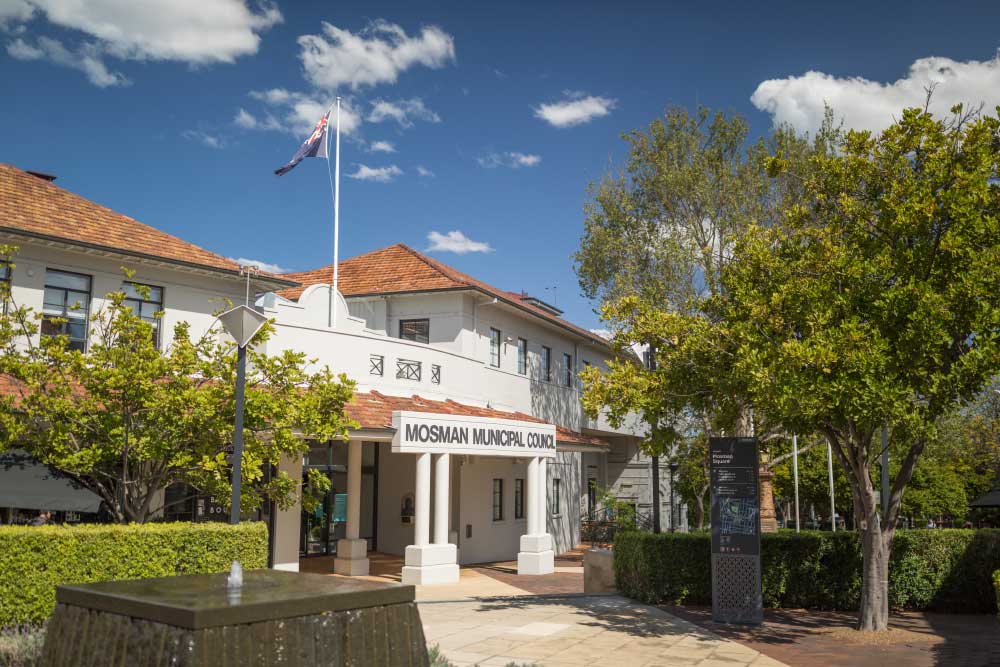
Mayor Ann Marie Kimber told the Council meeting the community response to the Masterplan had been “overwhelming”.
The state isn’t budging
For all the fighting words in the chamber, the plan still needs state approval, and the minister behind the reforms spent Wednesday morning defending them.
Asked on 2GB whether the only way to hit the government’s housing target was to make parts of Sydney “resemble Hong Kong”, Planning Minister Paul Scully said:
“No, that’s absolutely incorrect.”
“The fabric of Sydney is changing. It’s already happening. It’s been happening for years,” he told host James Willis.
Willis put it to the minister that the reforms meant “25 storeys along Military Road” and had sparked “a bit of a blow back at Mosman”, and that new units there would cost “well over $1 million, if not $2 million”.
Scully said every home added to supply gave someone a place to move into and pointed to downsizers who wanted to stay in the area they had helped build.
“People should be able to have a choice of housing type in an area where they want to live,” he said.
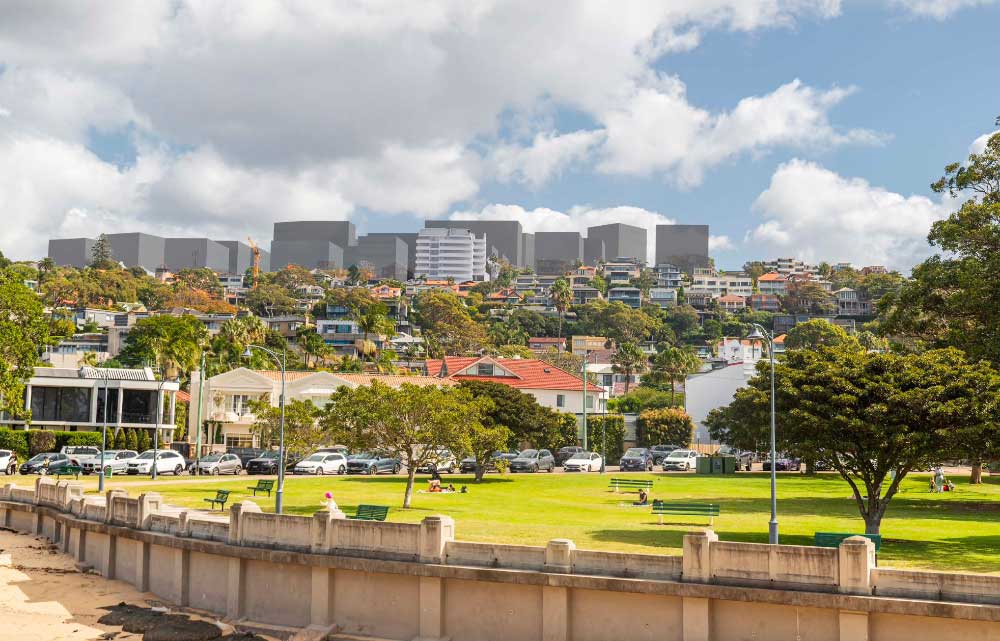
Under the new housing reforms, Mosman must create around 950,000 square metres of floor space, or about 4,700 new homes.
Council to state: cut the target, and get up here
Councillors did not stop at endorsing the plan. They fired a shot back at Macquarie Street.
Council resolved to call on the NSW Government to reduce the 4,700-dwelling target, arguing the state has failed to fund the roads, buses and services to carry that many extra residents.
They also voted to demand the Department of Transport, the Minister for Transport, the Minister for Roads and Mr Scully front a public meeting in Mosman to hear residents directly. Councillors insisted the word “urgently” be added to the request.
“You don’t ask, you don’t get,” Cr Carolyn Corrigan said, after pushing for the transport bosses to be summoned.

Mosman Mayor Ann Marie Kimber and Councillor Carolyn Corrigan. Image: Facebook.
General Manager Craig Covich was blunt about the odds. “I doubt that they would attend,” he told the meeting.
Cr Michael Randall, who seconded the motion, secured a review of the tower heights, asking that council test “whether the maximum proposed building heights can be reduced or capped” before the controls are locked in.
Cr Pip Friedrich took aim at the affordable housing the state’s policy delivers, describing units “at the back of luxury apartment blocks, some of what has been correctly described as poor doors”.
“Affordable housing under the LMR planning laws is not ever likely to be affordable,” Cr Friedrich said.
A community that turned out in force
Mayor Ann Marie Kimber said the response from residents had been overwhelming, with the council’s own consultant rating it one of the highest levels of community participation she had seen.
The numbers back her up. Council’s engagement drew about 4,000 instances of feedback, including 2,680 survey responses, and reached roughly 11 per cent of Mosman’s adult population.
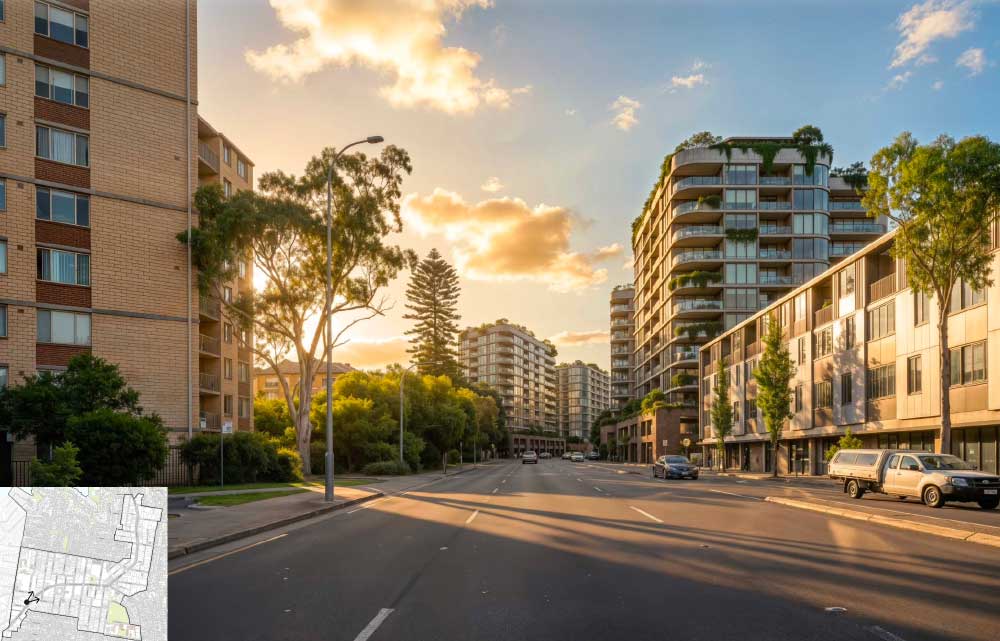
Artists impression of Military Rd looking east. Image: Mosman Council.
Of those surveyed, 85 per cent backed pressing ahead with a masterplan over the state’s policy. The community split almost evenly on how to build it: 44 per cent wanted “low and wide”, 41 per cent “high and narrow”.
Cr Colleen Godsell said planning was the only thing standing between Mosman and a suburb reshaped by accident.
“When we fail to plan, we simply let development happen,” she said. “We too often discover too late that what was most important and precious to us has slipped away.”
What happens next
The plan has not been finalised. Council will see the full technical reports, including a traffic and transport study, at its meeting on 7 August.
From there it goes to the state government for a Gateway Determination. If the state signs off, the masterplan returns to the community for formal consultation.
A tree compliance officer, long promised by council, will be advertised from 1 July.
Got a news tip about development in your street? Contact Mosman Collective at [email protected]
GOT A NEWS TIP? GET IN TOUCH!
Email: [email protected]
MOST POPULAR STORIES
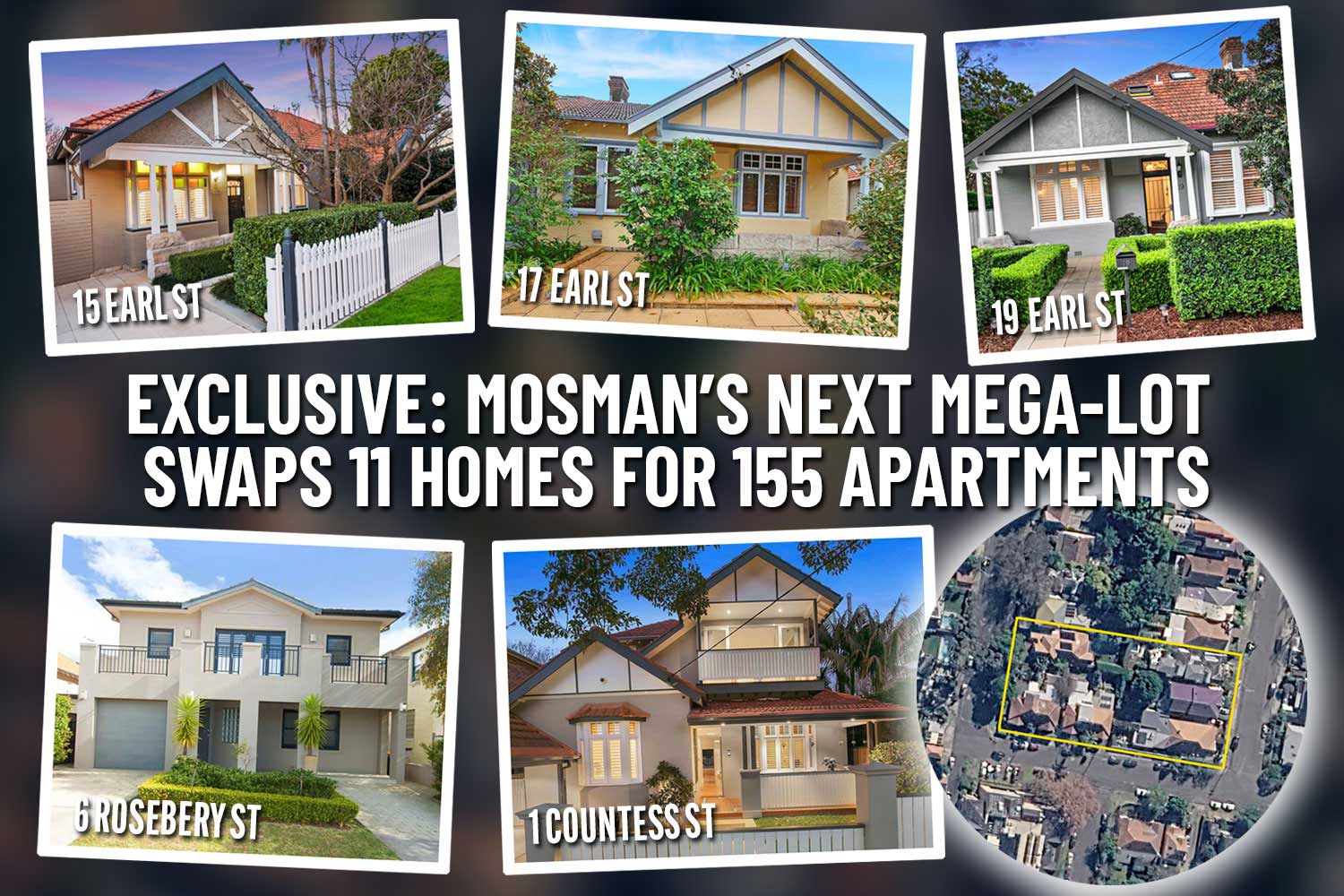
Eleven homes have been earmarked for a 42-metre, 155-apartment block after the Planning Minister declared the site State Significant.
From January 2027, North Sydney Council will charge commercial dog walkers, trainers and wedding parties to use public parks.
New rules mean residents won’t be notified of DAs for some new homes, pools and demolitions next door.
Mosman Council is searching for the suburb’s top dog. Enter your pooch to compete at the Encore Street Party on October 24.


Get The Latest News!
Don’t miss our top stories delivered FREE each Friday.

