
Bird flu confirmed in Warriewood. Here’s what Mosman dog owners need to know.
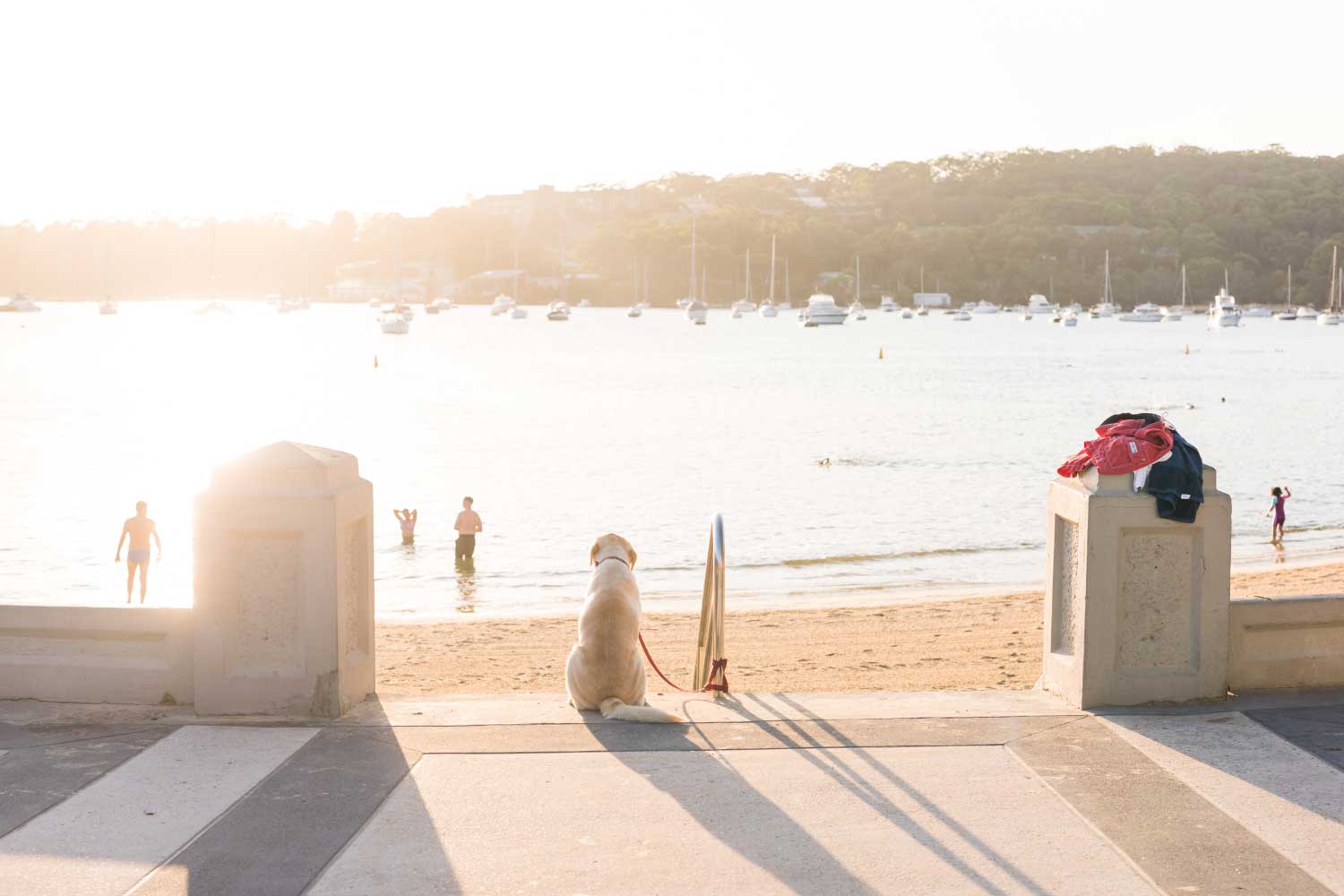
Mosman dog owners are being urged to stay away from sick or dead birds and avoid feeding wildlife. Image: Mosman Council.
By ANNA USHER
Dog owners are being urged to keep a close eye on their pets around local beaches after a case of H5 bird flu was diagnosed at Warriewood.
Testing confirmed the deadly virus was found in a crested tern on August 28.
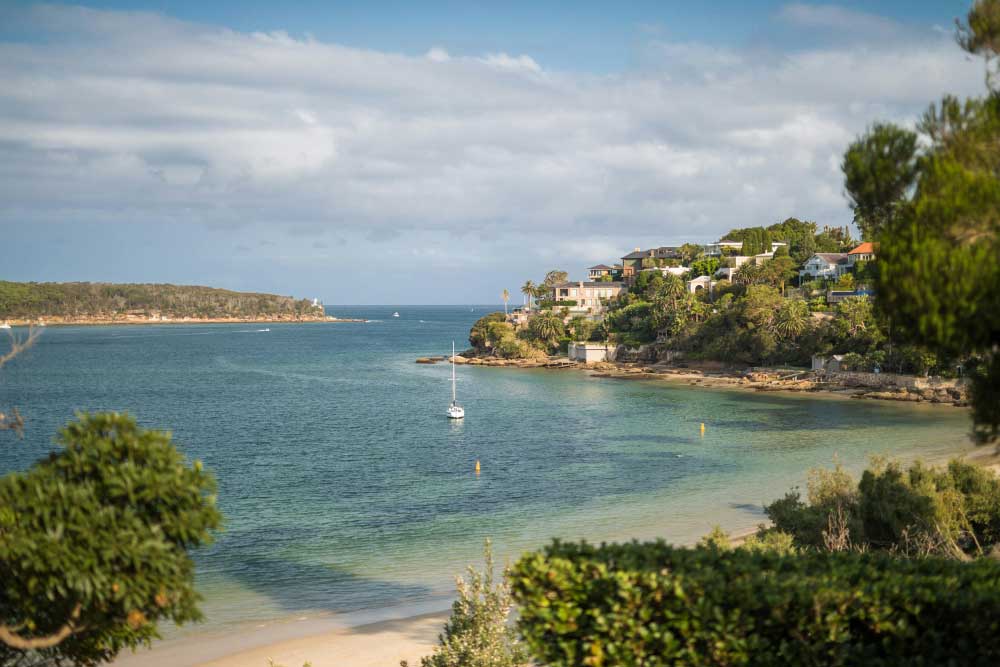
Testing confirmed the deadly H5 virus was found in a crested tern on August 28.
On Monday, Mosman Council warned residents to stay away from sick or dead birds and avoid feeding wildlife, with dog owners urged to keep a close eye on their pets when outdoors.
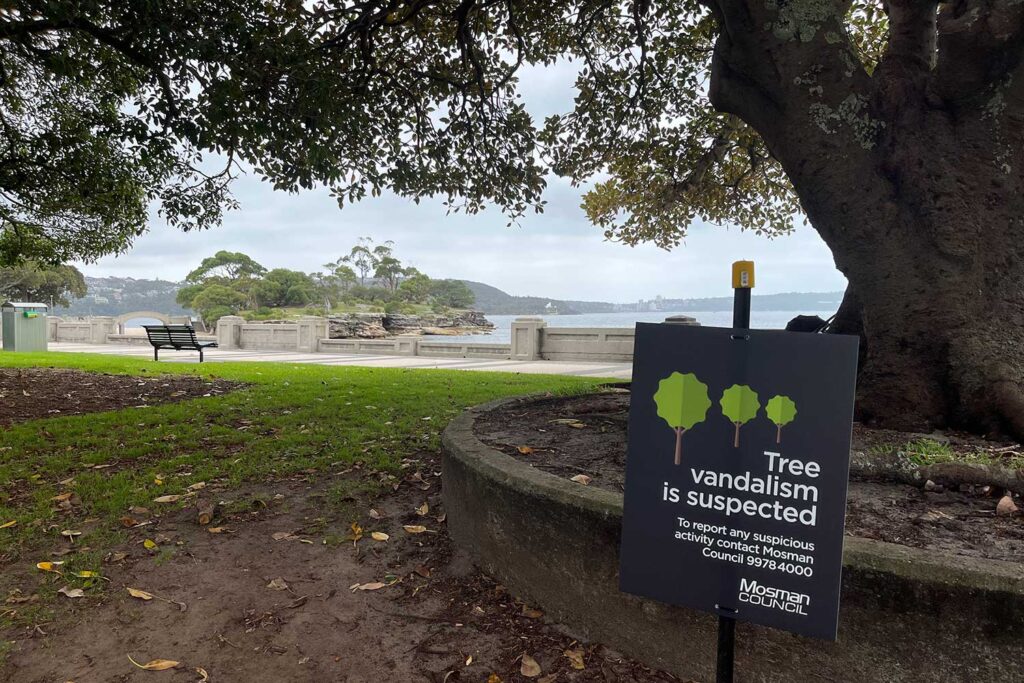
Anyone who finds a sick or dead bird is told not to touch it, but to take a photo, note the location and report it to the Emergency Animal Disease Hotline or 1800 675 888. If the birds are in a public place such as a park, playground or beach, you should also contact Council on 9978 4000.
The bird that tested positive to H5 bird flu is no stranger to the lower north shore and is listed on the Sydney Bird Club’s checklist for the Sirius Cove to Balmoral walk, one of 36 species identified on that route.
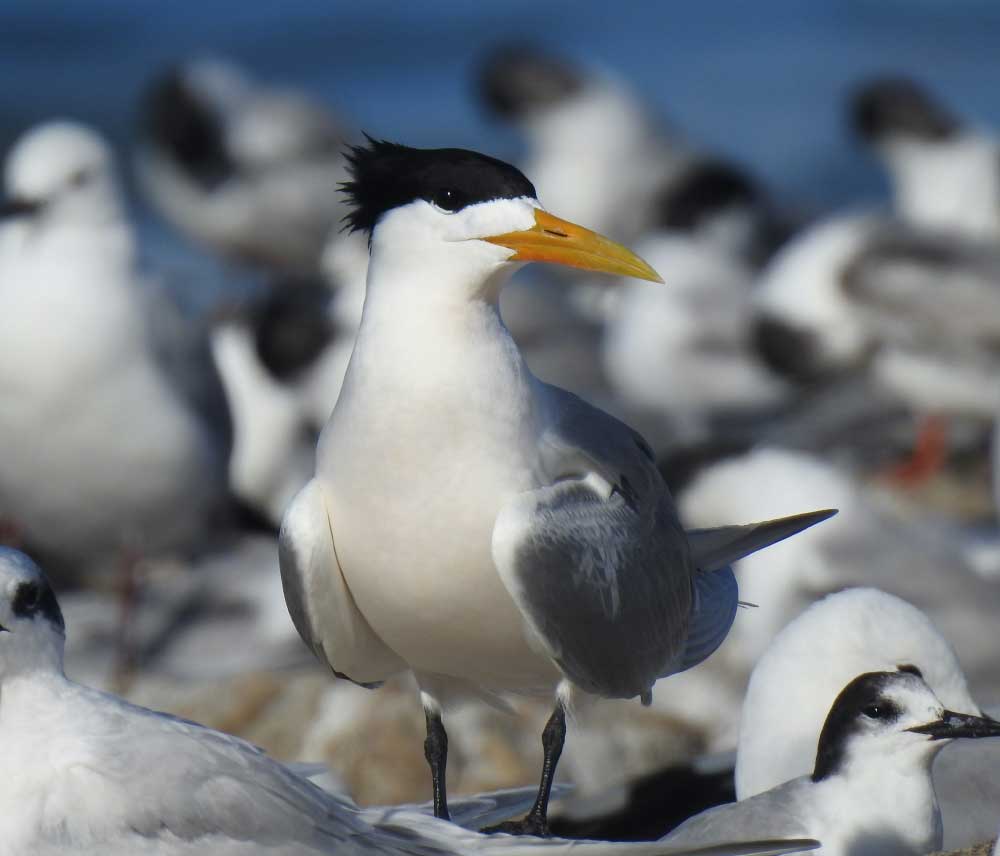
Testing confirmed the deadly virus was found in a crested tern at Warriewood on August 28. Image: Wikipedia.

Randwick Council has gone further, publishing a dedicated warning on September 1, telling dog owners to shorten their leads.
“Amid the rapidly spreading outbreak of the H5N1 bird flu, one member of your household is at potential risk: your dog,” it said.
“If infected birds are eaten or bitten by your dog, then they run the risk of contracting the flu.
“The flu can also spread through droppings or saliva.”
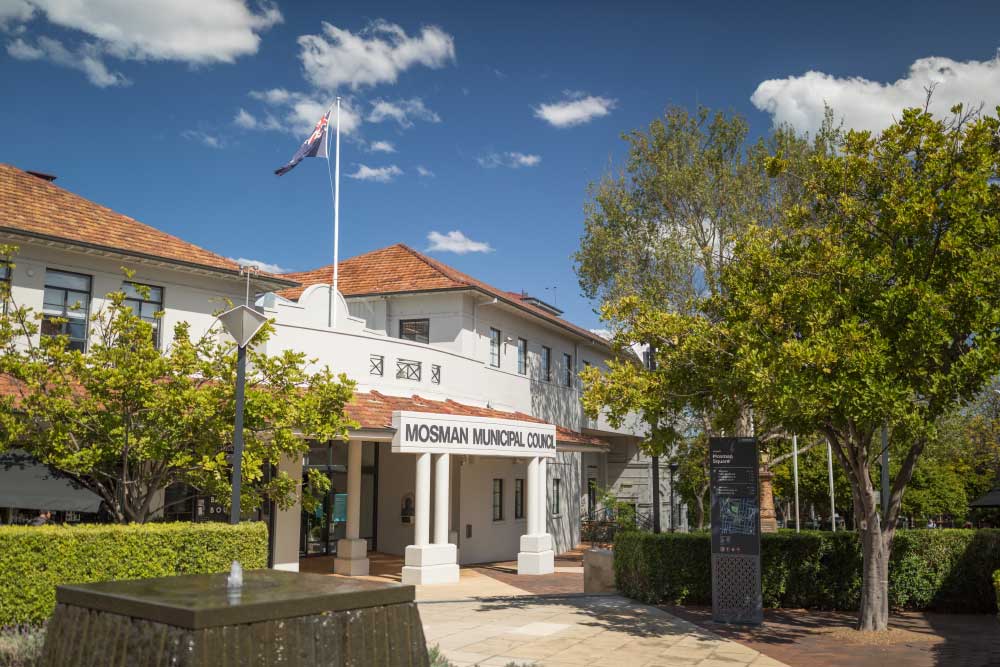
On Monday, Mosman Council warned residents to stay away from sick or dead birds and avoid feeding wildlife.
The advice is to keep dogs on a short lead to avoid them encountering sick or dead birds.
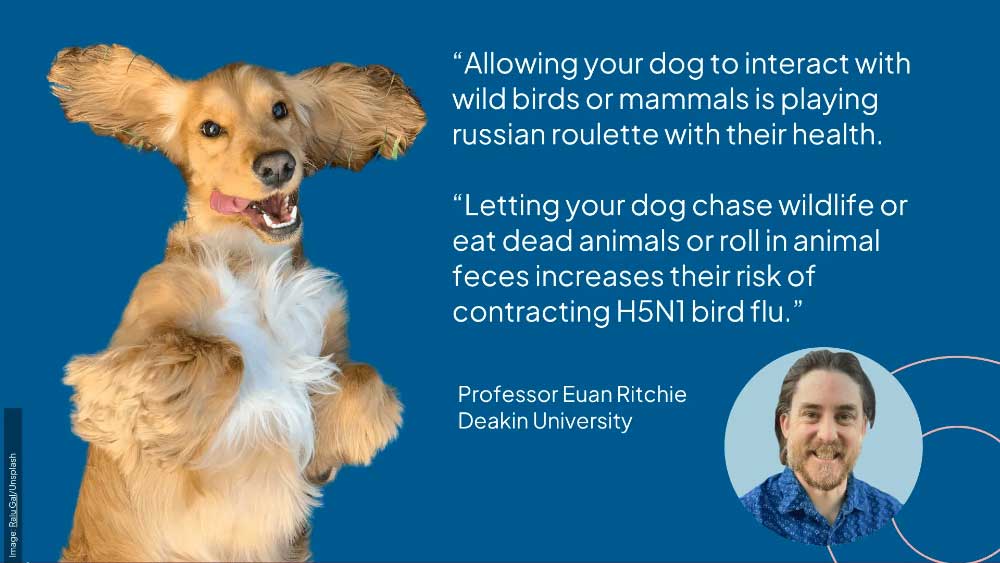
Biodiversity Council and mammal expert Professor Euan Ritchie from Deakin University said even beaches that normally allow dogs off leash should be treated cautiously wherever birds or other wildlife are present.
“We know many responsible dog owners are already doing the right thing, but we urgently need everyone to get the message: it’s always best to keep your dog on a leash and well away from all wildlife, living, sick or dead. This helps protect our wonderful native wildlife and our much-loved canine companions too,” Professor Ritchie said.
“Allowing your dog to interact with wild birds is playing russian roulette with their health; it increases their risk of contracting H5N1 bird flu.”
Report sick or dead wildlife to the Emergency Animal Disease Hotline on 1800 675 888.
The Biodiversity Council is asking dog owners around beaches to:
- Keep dogs leashed and away from wildlife, even in normally off-leash areas where birds are present.
- Never allow dogs to chase wildlife or investigate carcasses.
- Don’t touch or move sick or dead wildlife yourself.
- Report sick or dead wildlife to the Emergency Animal Disease Hotline on 1800 675 888.
- Contact a veterinarian promptly if your dog has had contact with potentially infected wildlife and becomes unwell.
“Putting your dog on a leash is a very simple action that can protect wildlife, your pet, your family and the wider community,” Professor Ritchie said.
“Don’t let your dog approach any wildlife, healthy, sick or dead, and don’t let them roll in or eat animal faeces. Keep them leashed to keep them a safe distance.”
No dog has caught H5 in Australia, and the NSW Government says the risk to pets here remains low.
Never miss a local story. Our weekly newsletter is delivered to your inbox FREE each Friday. Sign up here.
MOST POPULAR STORIES
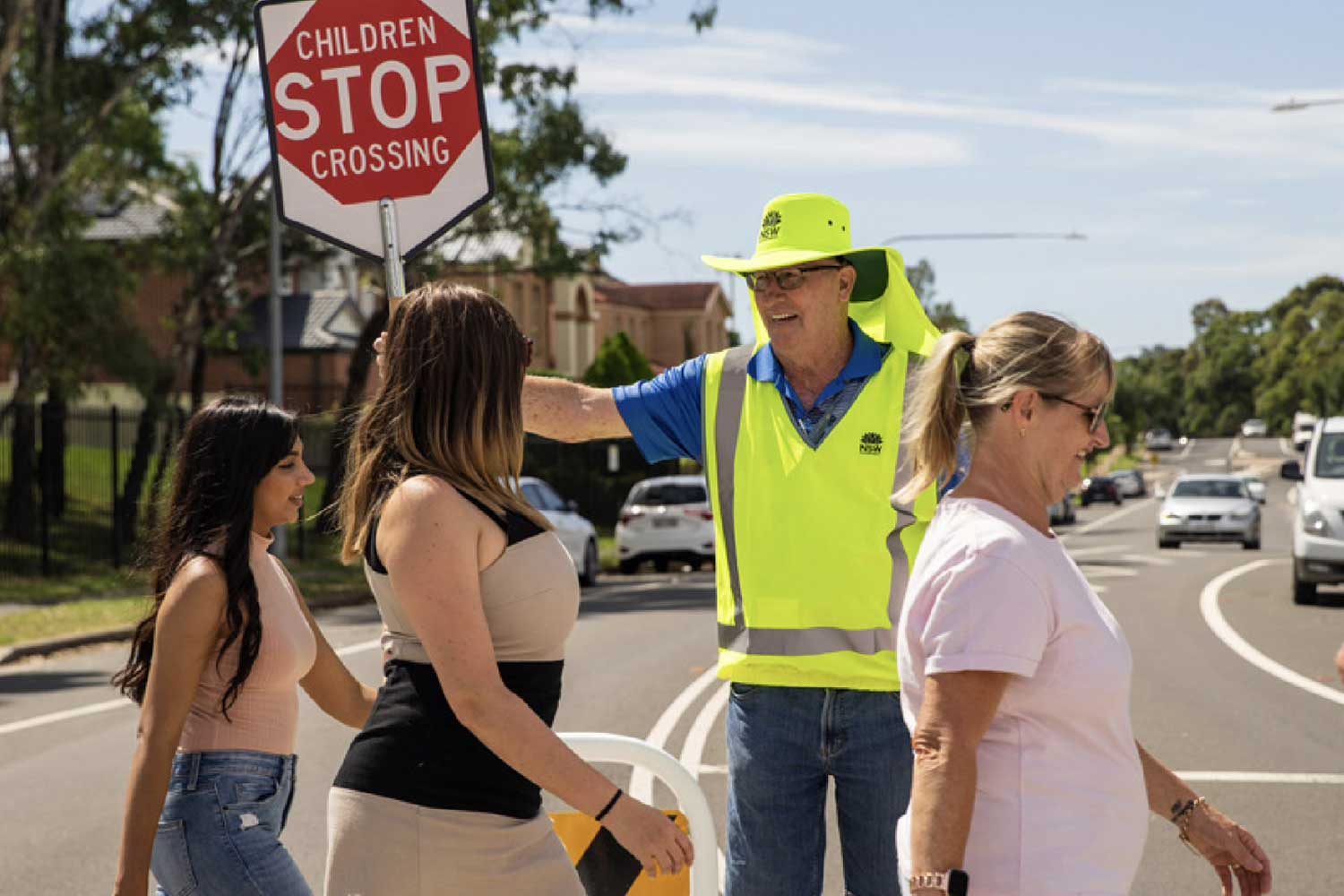
Mosman Public School needs a lollipop person and Transport for NSW will pay $27.22 an hour. Applications close Monday 2 November.
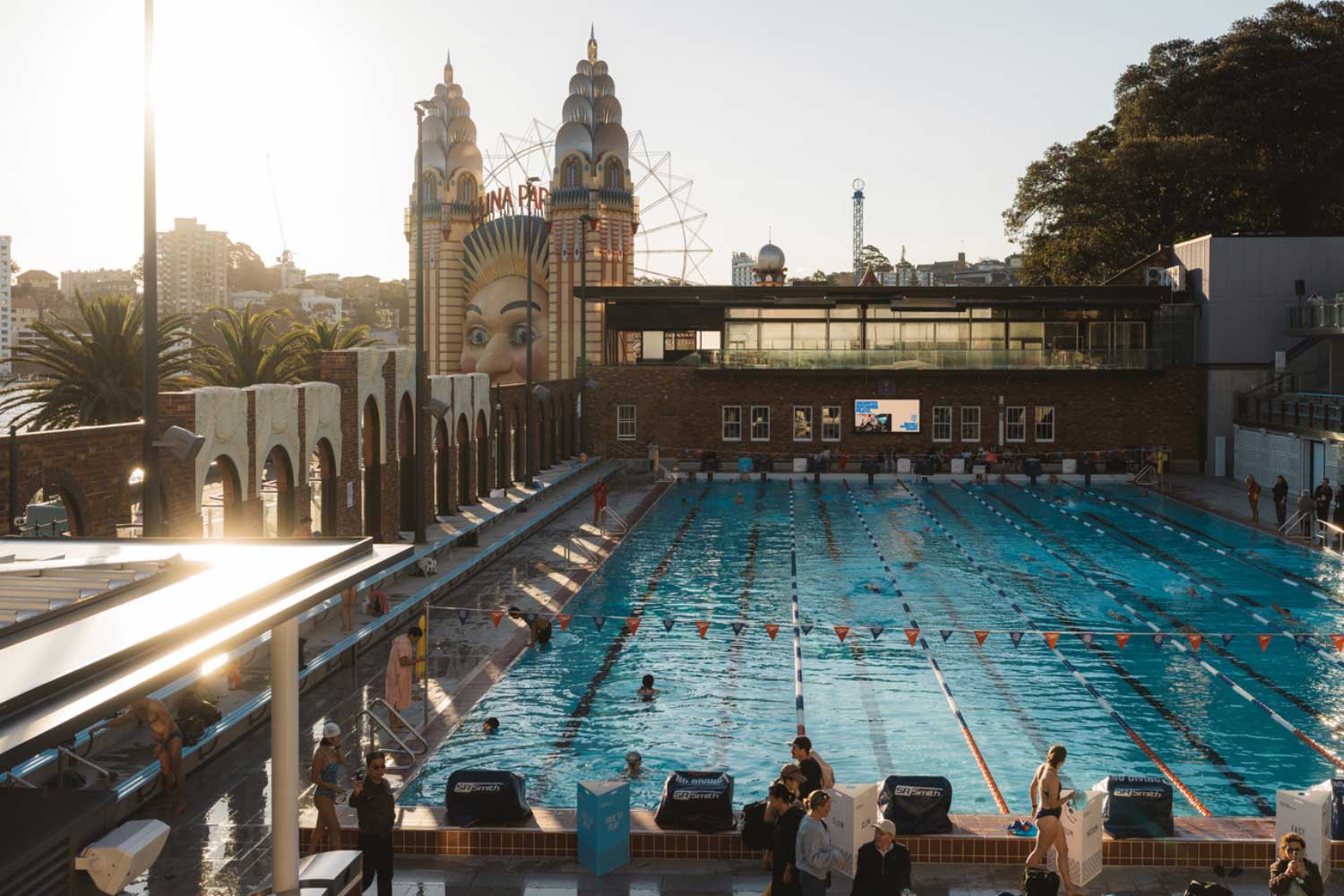
North Sydney Olympic Pool could open until 12:30 am on New Year’s Eve, letting 1000 ticket holders swim beneath the midnight fireworks.
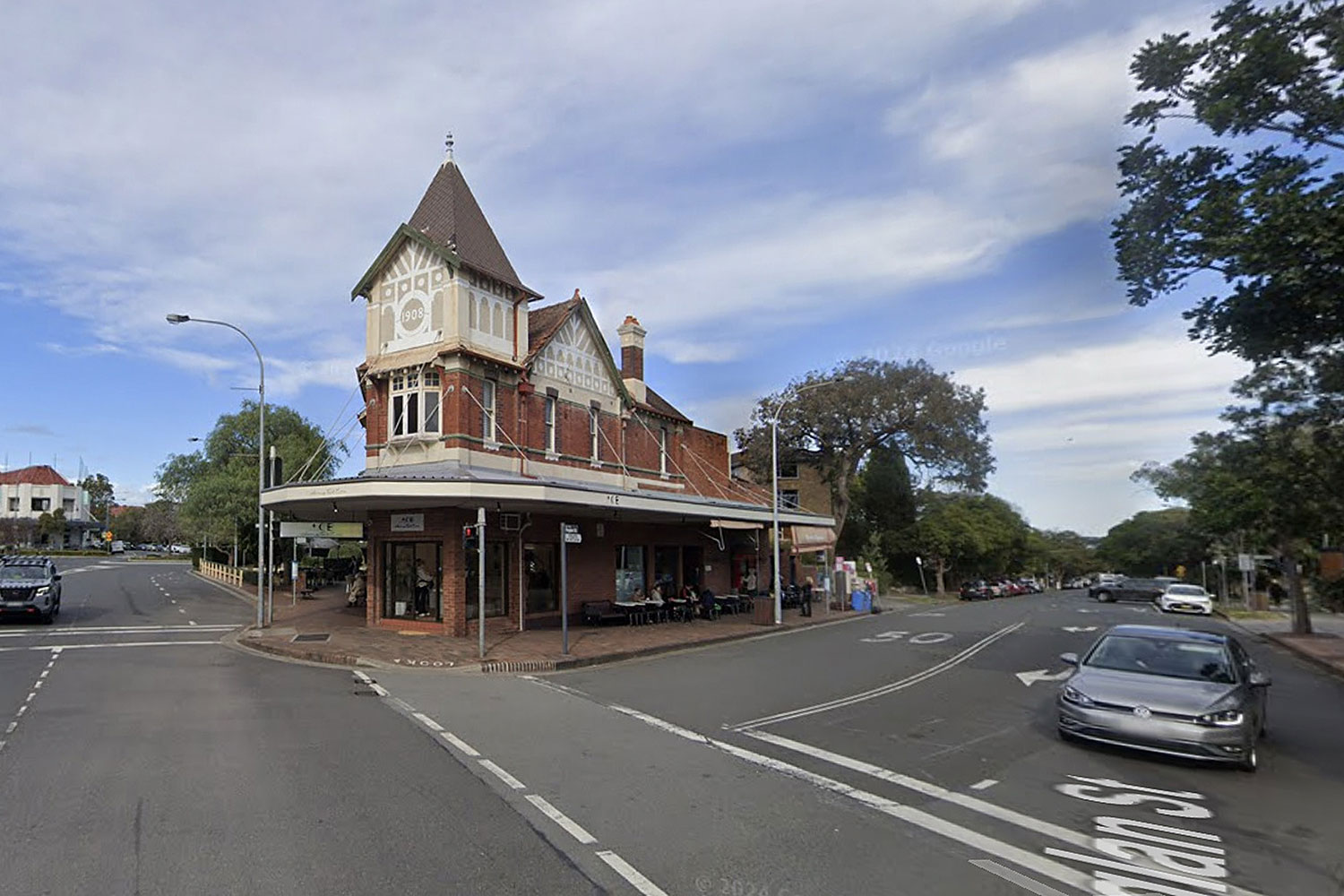
A small neighbourhood wine bar named after a Belgian queen, is planned for Prince Albert and Raglan streets in Mosman Junction.
Step inside this 1906 Federation home reimagined by Alex Popov with north-facing light, a pool and a $4m guide.
Get The Latest News!
Don’t miss our top stories delivered FREE each Friday.

