

Lest We Forget: The Mosman ANZAC address that still stops you in your tracks.
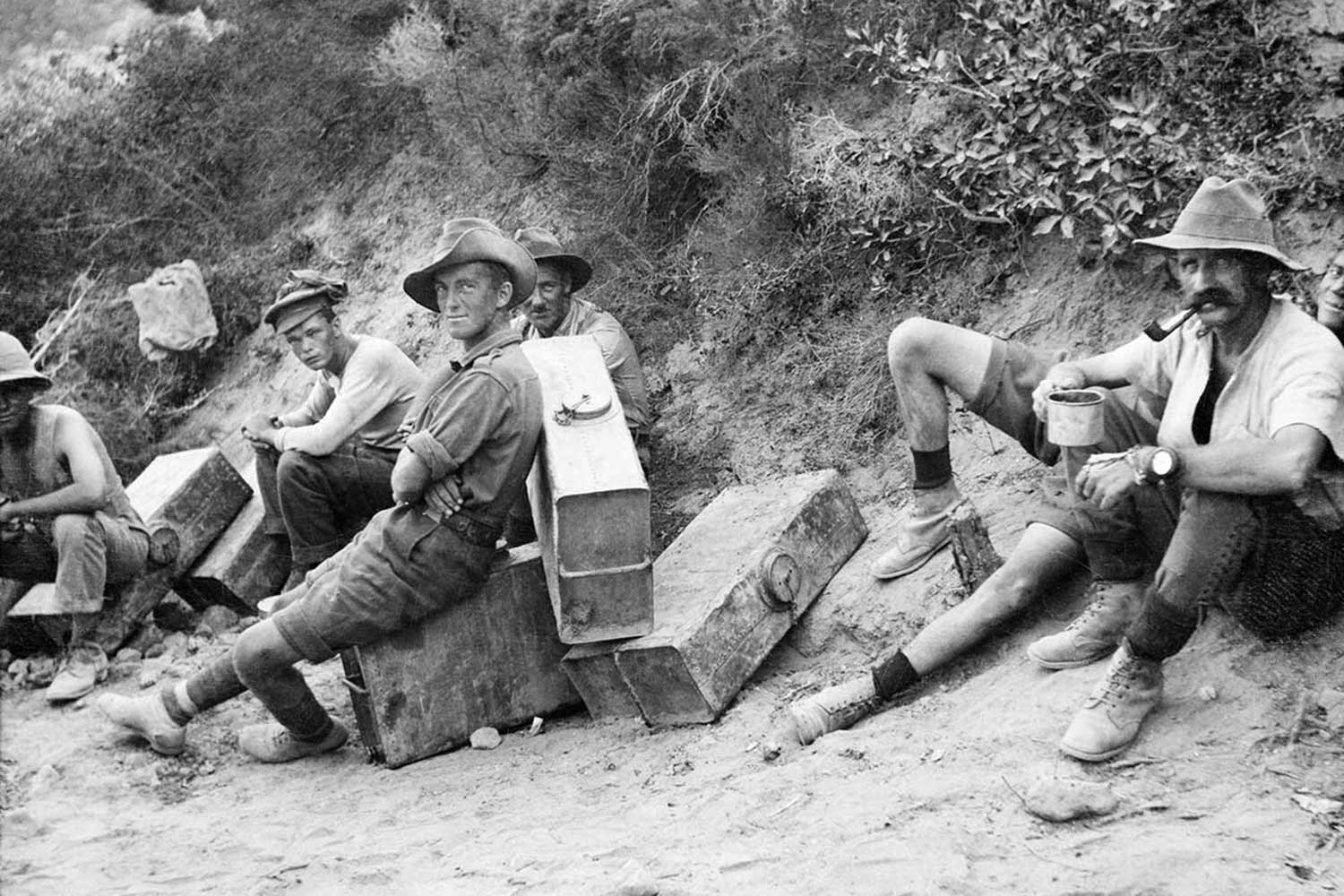
This year marks 111 years since the Gallipoli landings, where one in seven Australian men who fought lost their lives.
By ANNA USHER
With Anzac Day approaching this Saturday, Mosman Collective is republishing a commemorative address delivered at Georges Heights on Anzac Day 2024 by then Commanding Officer of HMAS Penguin, Commander Kent Browning RAN.
It remains one of the most powerful reflections on Mosman’s extraordinary wartime contribution we’ve heard – and worth reading again in 2026.
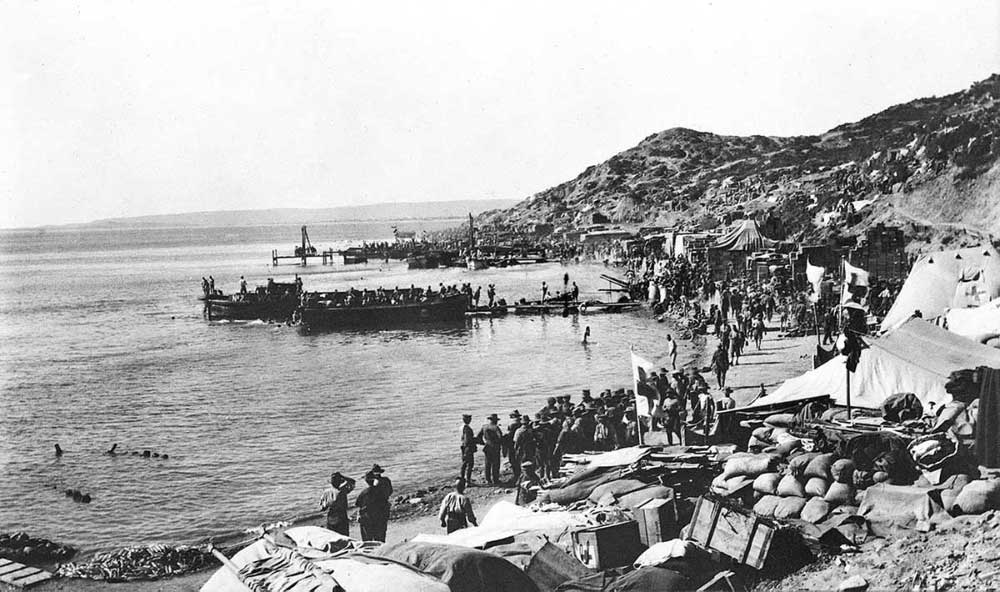
By the end of that first day, over 16,000 men had landed ashore; and more than 2,000 of them were already dead or seriously injured.

Editor’s note: This address was delivered by Commander Browning at the Georges Heights Anzac Day Dawn Service on 25 April 2024 – the 109th anniversary of the Gallipoli landings. It is reproduced below as delivered.
109 years ago, in the pre-dawn twilight, the first soldiers of the Australian and New Zealand Army Corps, the ANZACs, began landing on the Gallipoli Peninsula.
By the end of that first day, over 16,000 men had landed ashore; and more than 2,000 of them were already dead or seriously injured.
These men went to do their duty – to serve our nation. They certainly did not set out to be immortalised. However, their conduct on that day, and over the subsequent months, has secured their place in Australian history.
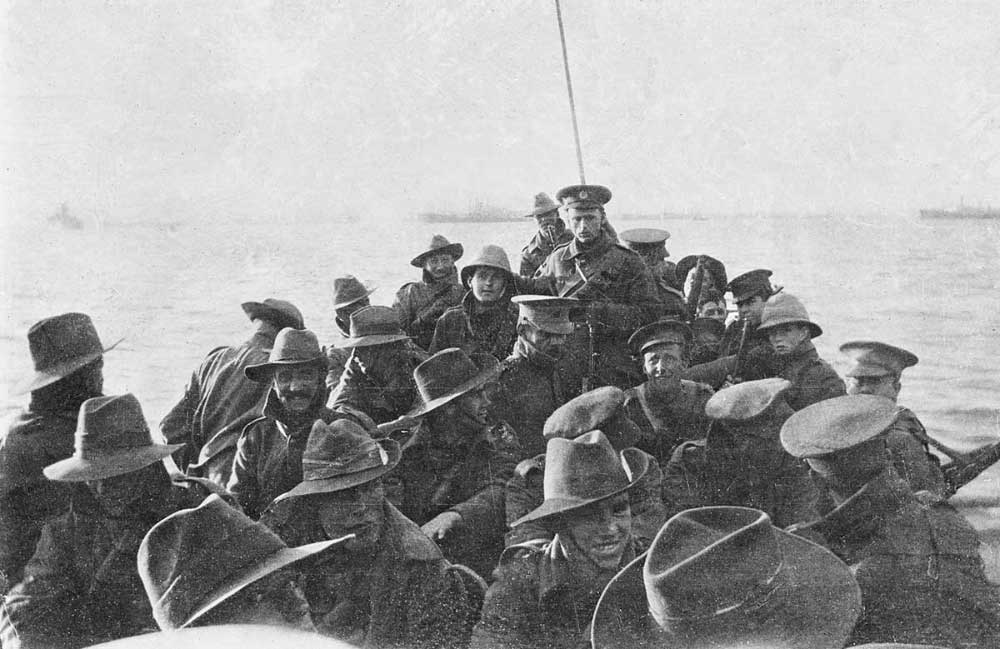
Australian troops heading ashore in Gallipoli, April 1915.
Today, we honour the sacrifice of those first ANZACs, and all those who did their duty and fought alongside them at sea and in the air – not only at Gallipoli but throughout many theatres of the Great War.
We also remember and honour the many thousands of Australian men and women who have stepped up to do their duty for their country in many other conflicts and operations since that time; including, but certainly not limited to, World War Two, Korea, Vietnam, Iraq and Afghanistan.
These Australians offered themselves in the service of our nation, and in the interests of peace and humanity. They endured and they suffered. Many died in the course of their service; in battle, of wounds, of disease and in captivity. And those who did return were forever changed by their experiences. Yet their service, and their stories, are at the core of our shared identity as Australians.
Their service changed the nation.
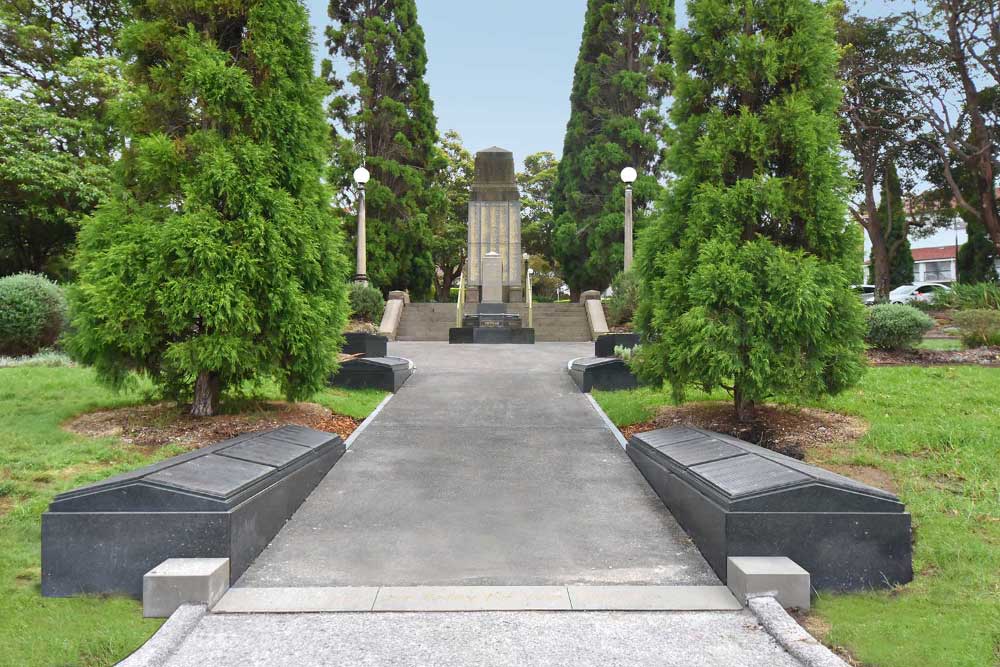
Mosman War Memorial.
I cannot walk past a WWI memorial without being moved by the names inscribed on them – not only for the loss of those individuals, but also for the effect it had on the communities that they left behind.
There was simply not a family that was untouched by the conflict.
Remember, in World War I, they were all volunteers – yet the majority of people who could join up did.
One in seven of those who left died.
One in three were wounded.
And countless more returned home forever damaged.
In the innumerable small country town memorials, there may only be twenty names on the memorial – but remember, these towns had a population of only one or two hundred. The Australian community lost a significant percentage of its adult male population – sons, brothers, husbands, fathers, friends and colleagues. This was a devastating loss for the then newly formed nation
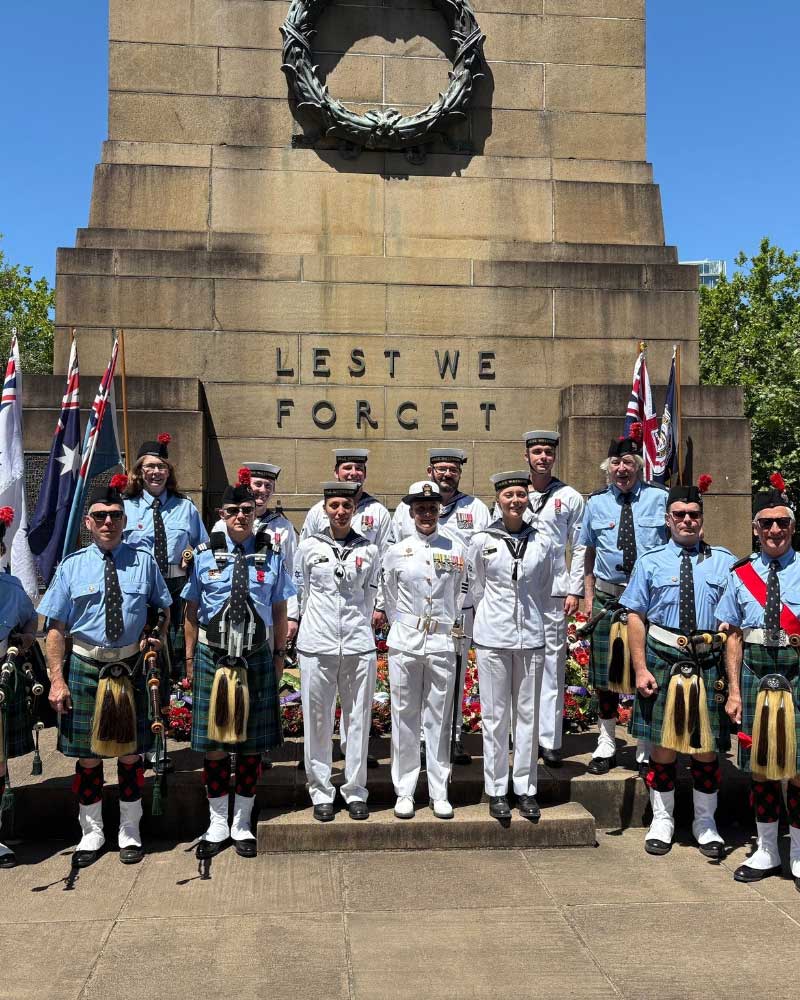
Each year thousands of locals gather to pay respects to all who serve, and have served.
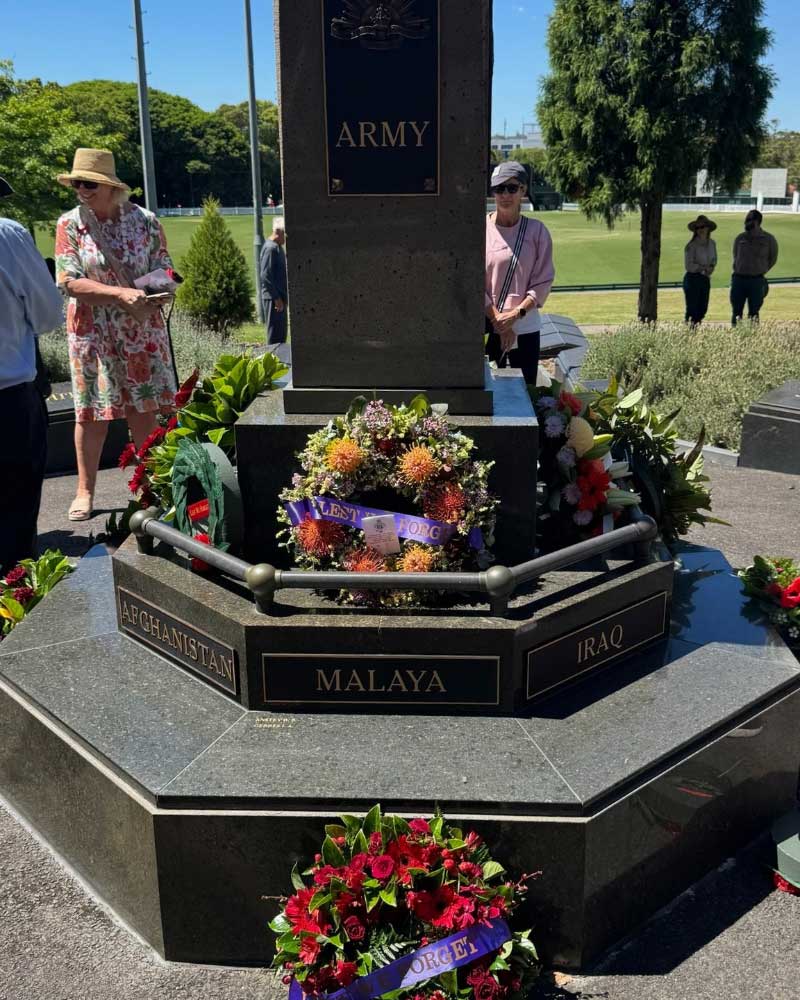
Mosman lost more than 350 men in WWI.
To bring it closer to home: the then 16,000-strong Mosman community contributed over 1500 of those volunteers who went on to serve in the Great War.
At the time, this equated to a staggering 44 per cent of Mosman men aged between 18 and 42 years.
In the four-year campaign of WWI, Mosman lost over 350 men – in other words, a quarter of those from this community who departed our shores never returned.
Sadly, 43 streets in Mosman lost at least one of their residents.
On Avenue Rd alone, families lost 14 men – including six pairs of fathers and sons. Mosman also lost eighteen pairs of brothers.
Most of these men are forever remembered on the Mosman war memorial.
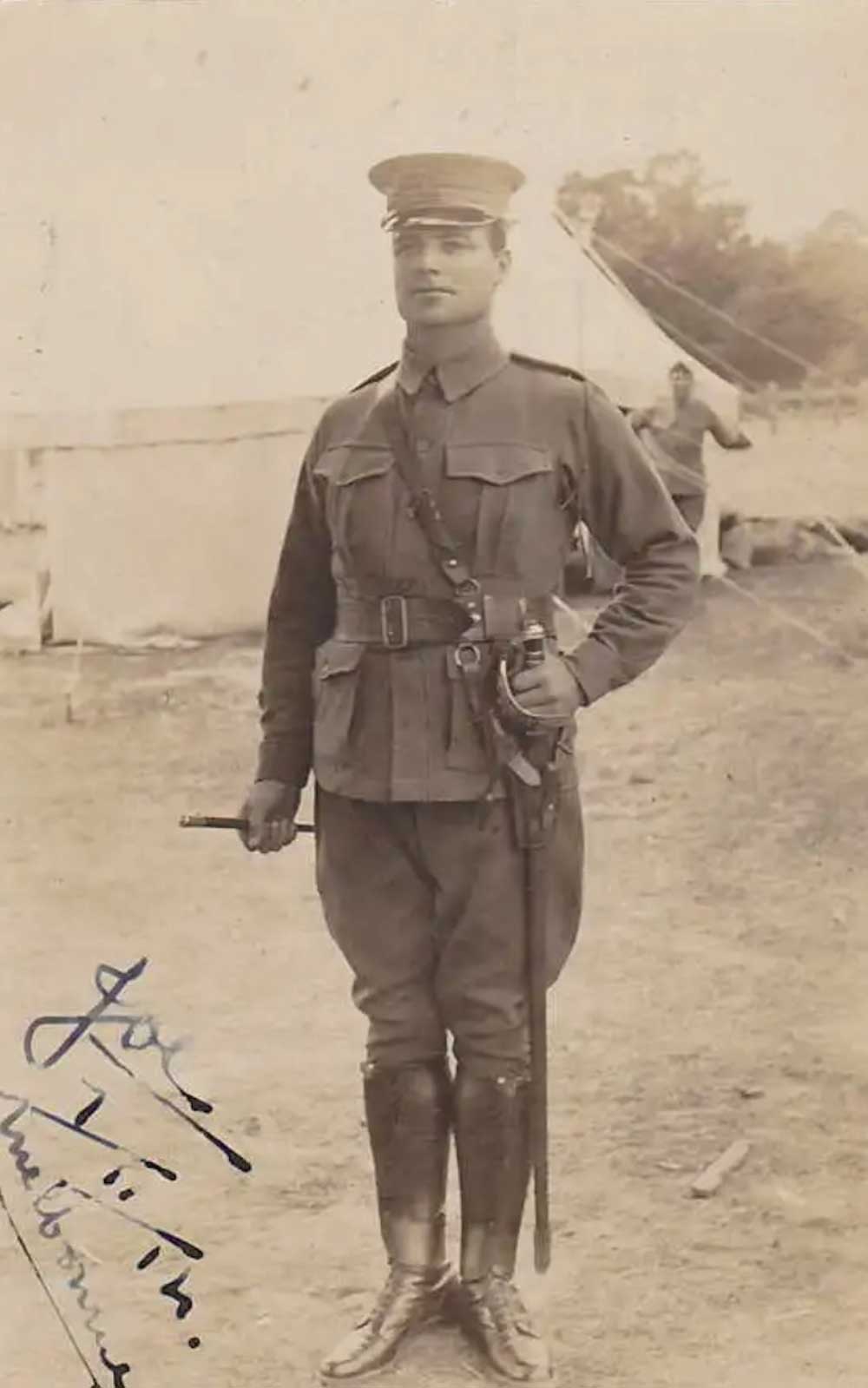
Captain Joseph Edward Crew, one Mosman local who lost his life in Passchendaele in 1917.
The name of one regular soldier, Joseph Edward Crew, was only added to the memorial in 2008. A regular soldier, he died at Passchendaele in 1917. Legend has it that his wife, Norah May, would not accept his death and lived in the hope that some day he would return. So she declined to have his name recorded on the memorial.
Her hope was in vain.
While the majority who signed on for the Great War served as infantry, there were many ways people were – and are – able to serve their nation. People joined as sailors, medics, logisticians and engineers … just to name a few. In more modern times, we can add to that list pilots, computer specialists and even, heaven forbid, lawyers and HR experts.
Each serviceperson’s story of service is unique and varied, but all have contributed in their own way.
Where we stand today was the site of the 21st Auxiliary Hospital – the third largest military hospital in Australia, with 450 beds and well over 100 staff.
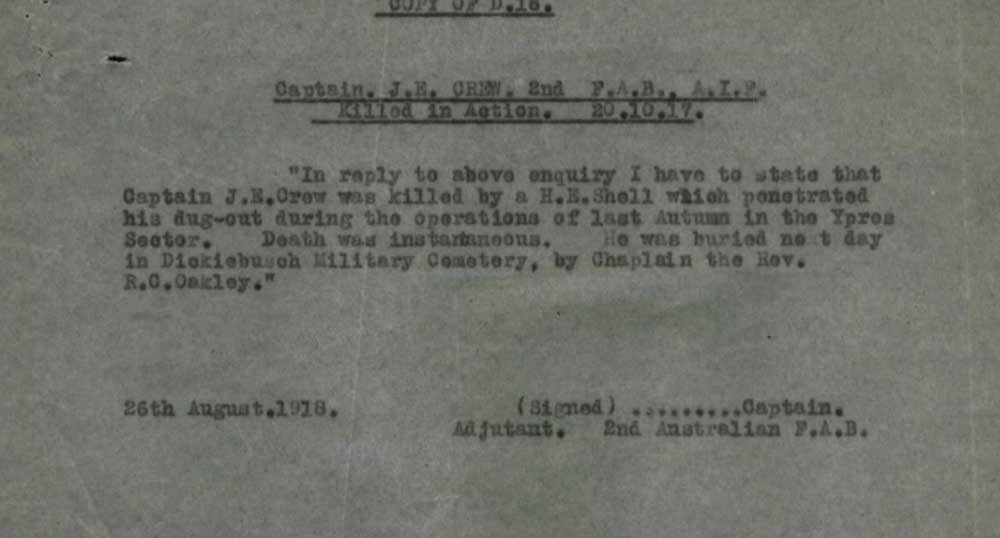
Legend has it that his wife, Norah May, would not accept his death and refused to have Crew’s name placed on the memorial.
Between 1916 and 1922, many returned soldiers and sailors came here for treatment and care.
Before modern transport, countless young men injured from the perils of war had to limp painfully along Middle Head Rd to and from the Military Rd tram line junction up in the main town – a 3km round trip.
Seeing this suffering first hand, one Mosman resident advocated successfully for extending the tram line to facilitate the transport of these wounded men. His name was John Hare Phipps. In 1919, the tram line was extended.
Dr Phipps is remembered for many reasons.
He himself served in the 5th Field Ambulance at Gallipoli and France between 1915 and 1917. During his service, Dr Phipps attained the rank of Lieutenant Colonel and was awarded the Distinguished Service Order for his actions on the battlefield attending to the wounded.
Before and after the war, he lived and worked at 221 Military Rd as a medical practitioner.
In 1918, Dr Phipps also was the foundation president of the Mosman Returned Soldiers, Sailors and Airmen’s Imperial League – now known as the Mosman RSL sub-Branch. As such, he was instrumental in the establishment of the Mosman Anzac Memorial Hall.
After a lifetime of dedicated service, he died in 1936, aged 65.
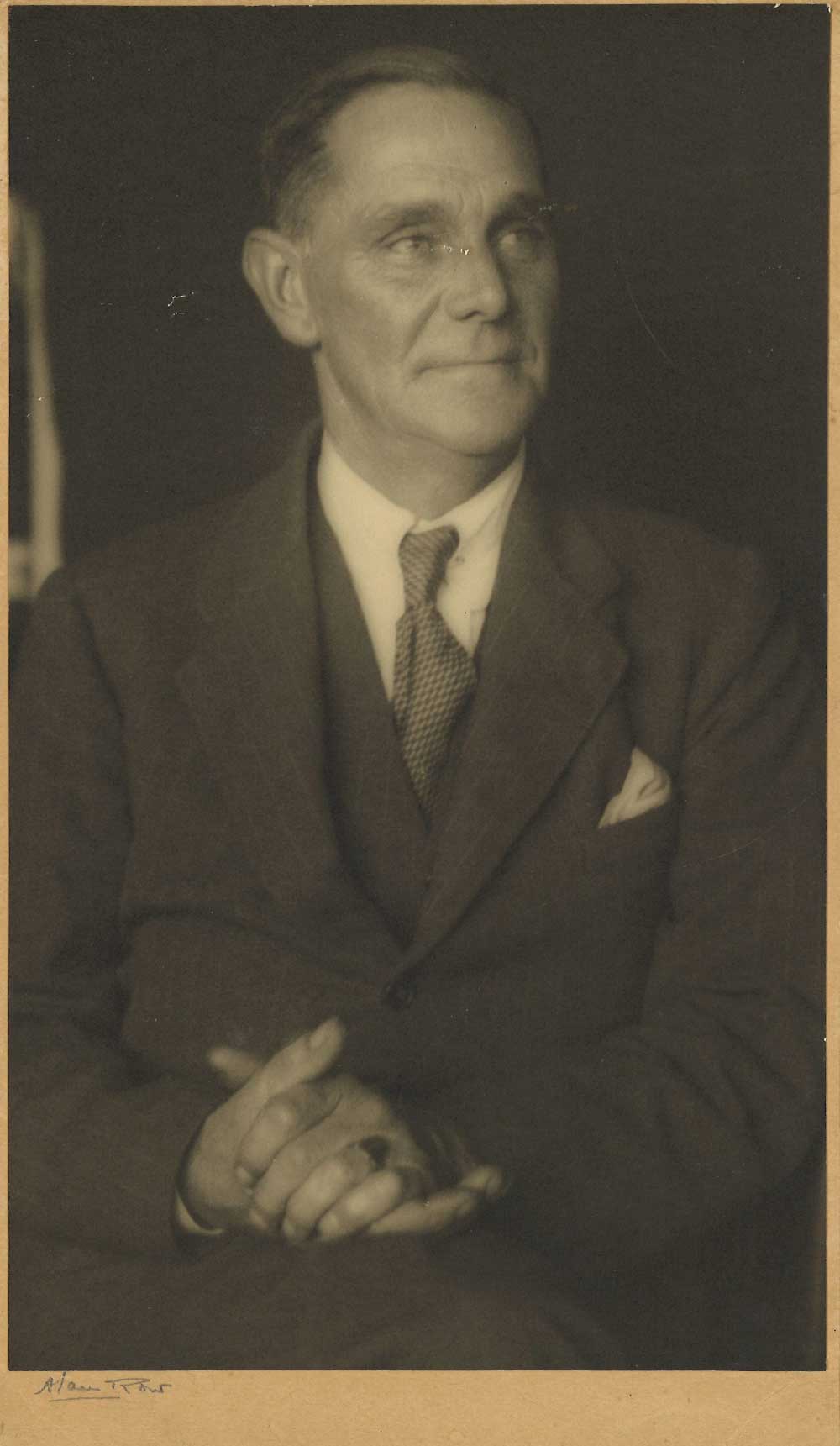
Dr John Hare Phipps, another local hero who served, and had the tram line extended to Georges Heights to help injured servicemen.
The reality is that the majority of Australians who have fought and died for our nation have been infantry soldiers, and it is therefore natural that their story and their names should be most easily brought to mind.
However, the service of those in other roles – as well as in the Navy and Air Force – are equally poignant and must be remembered.
As we stand together as a community today, we must also acknowledge the vital role of all those who have served, and continue to serve, on the home front.
Without the support, commitment, confidence and sacrifice of wives and husbands, partners and children, mums and dads, sisters and brothers – it would simply not be possible for Australian service men and women to do the work we do.
Personally, I certainly could not.
All round Australia today, millions of people will gather in services such as this one – to honour great men and women, and a great tradition.
We gather not to glorify war, but to remind ourselves that we value who we are and the freedoms we possess – and to acknowledge the courage and sacrifice of those who contributed so much to shaping the identity of our nation, and those that continue to serve.
We honour their service. And importantly, we remember those who have given their lives to protect you, me, and our country.
Lest we forget.
The Georges Heights Anzac Day Dawn Service will be held on Saturday, 25 April 2026. Details in our story, HERE.
GOT A NEWS TIP? GET IN TOUCH!
Email: [email protected]
MOST POPULAR STORIES
KOYO in Crows Nest unveils two brand new, fully furnished residences for sale, offering buyers a connected location.
Helen Rodrigues Bridal hosts a one-day designer wedding gown sale in Neutral Bay, with dresses up to 90% off and nothing over $10,000.
EmergencyRedi Week highlights how to prepare a grab bag and family plan if ATMs, water and power go down during a disaster.
A new paid clinical trial clinic in St Leonards is offering residents a chance to join early-stage research.

Get The Latest News!
Don’t miss our top stories delivered FREE each Friday.

